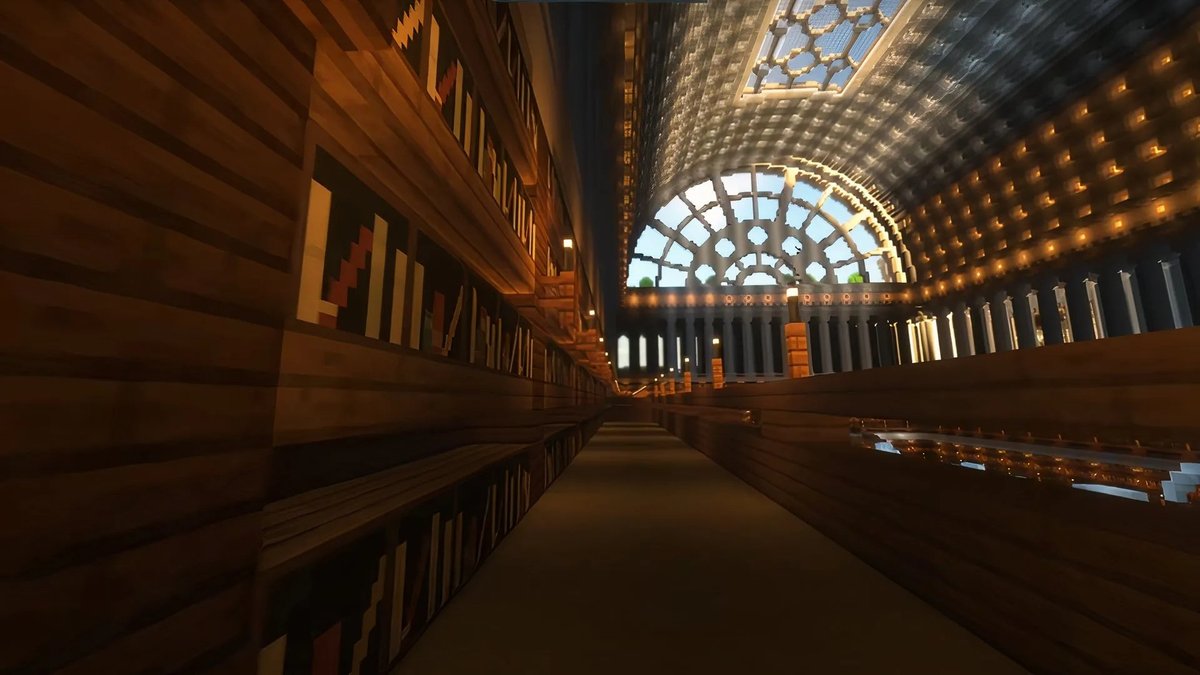
So, you're ready to move beyond the basic bookshelf-lined room and craft a Minecraft library that truly stands out? You're dreaming of a sprawling archive, a mystical knowledge repository, or perhaps a chilling collection of forbidden lore. Crafting truly Advanced & Grand Minecraft Library Build Ideas requires vision, planning, and a deep dive into architectural creativity. It’s about building a structure that doesn’t just hold books but tells a story, inspires awe, and serves as a monumental focal point in your digital world.
At a Glance: Your Blueprint for Grand Libraries
- Think Theme First: Every epic library starts with a compelling narrative – fantasy, haunted, futuristic, or natural. Let this guide all your design choices.
- Scale Up: Don't be afraid to build big. Grandeur often comes from sheer size and impressive geometry.
- Master the Details: From intricate rooflines to custom lighting and subtle lore elements, it's the small touches that elevate a build.
- Block Palettes are Key: Curate blocks that naturally complement your chosen theme and create visual depth.
- Balance Aesthetics & Function: Decide if your library is purely decorative or also a hub for enchanting, shared knowledge, or exploration.
- Embrace Imperfection: For themes like sunken or haunted, strategically placed damage and decay enhance the story.
Why Settle for Simple When You Can Build Legendary?
Minecraft offers unparalleled freedom to build anything your imagination conjures. A library, in particular, is more than just a storage facility for books; it's a testament to accumulated knowledge, a sanctuary for quiet contemplation, or even a lair for ancient secrets. Pushing your skills to create an advanced, grand library project provides a rewarding challenge, enhancing your world's lore and offering an incredible visual centerpiece. It’s about creating an immersive experience, not just a structure.
The Pillars of Grand Library Design: Beyond the Basics
Before we dive into specific themes, understand that every truly grand library shares a few common design principles. These aren't just tips; they're the foundational elements that transform a good build into a legendary one. For more comprehensive insights into initial conceptualization, consider all the elements of Designing your Minecraft library from the ground up.
Mastering Scale and Proportions
Forget the cramped corners. A grand library demands space. This means tall ceilings, wide halls, and impressive facades. Experiment with multiple floors, mezzanines, and grand staircases. Don't just build out; build up and down. Think about how the player moves through the space – do they feel small and awestruck, or empowered and enlightened?
Crafting a Cohesive Block Palette
The blocks you choose are your building blocks of emotion. A "grand" library isn't just about size; it's about the quality of its appearance.
- Primary Blocks: Establish your main structural materials (stone, wood, netherbrick, deepslate).
- Secondary Blocks: Introduce texture and detail (stairs, slabs, walls, polished versions of your primary blocks).
- Accent Blocks: Use sparingly for pops of color or unique elements (terracotta, glazed terracotta, concrete, certain wools).
- Lighting Blocks: Crucial for both illumination and atmosphere (lanterns, shroomlights, glowstone, sea lanterns, redstone lamps).
Lighting as a Narrative Tool
Lighting isn't just for visibility; it sets the mood.
- Bright & Open: Sea lanterns, glowstone, or strategically placed sunlight (via glass domes) can create an academic, inviting atmosphere.
- Dim & Mysterious: Fewer light sources, hidden behind blocks or within decorative fixtures like chains and lanterns, evoke mystery or foreboding.
- Accent Lighting: Use specific light blocks to highlight important features, statues, or rare books.
Embracing Architectural Variety
Avoid boxy structures. Incorporate varied rooflines, towers, domes, arches, and buttresses.
- Rooflines: Steep, pointed roofs add fantasy flair; flat, detailed roofs offer space for rooftop gardens or observatories.
- Windows: Not just holes in the wall. Design ornate windows with multiple panes, arched tops, or stained glass.
- Arches & Vaults: These add sophistication and make interiors feel more expansive and historically significant.
Deep Dive: Advanced & Grand Library Build Ideas
Let's explore specific concepts to inspire your next monumental build. Each idea here goes beyond a simple room, offering a unique blend of aesthetics, functionality, and storytelling potential.
1. The Enchanting Fantasy Library
Imagine stepping into a library spun from ancient magic and natural wonder. This theme thrives on whimsy, organic shapes, and a harmonious blend of nature with scholarly pursuits.
Core Aesthetic: Whimsical, ancient, nature-infused, slightly magical.
Key Blocks & Palette:
- Structure: Dark Oak logs/planks, Spruce logs/planks, Stone Bricks (mossy and cracked), Cobblestone, Andesite.
- Natural Elements: Oak Leaves, Spruce Leaves, Moss Blocks, Rooted Dirt, Azalea, Lush Caves blocks.
- Accents: Purpur Blocks (for mystic energy), Prismarine (for ancient magic feel), Gold Blocks (for treasured knowledge), Lanterns, Shroomlights (hidden light), Lily Pads, Vines.
- Color Pops: Brightly colored accent blocks like purple terracotta or green concrete can highlight specific sections or magical lore.
Architectural Features: - Organic Shapes: Mimic tree trunks for columns, build roofs that slope like hills, or create winding paths.
- Visually Appealing Rooflines: Steep, multi-tiered roofs made of Dark Oak or Spruce planks, possibly topped with small spires or observation decks. Integrate glass for natural light.
- Hidden Nooks: Secret passages behind waterfalls or overgrown sections.
- Critter-Friendly Environment: Small ponds with lily pads, lush gardens integrated into the structure, bird nests (using hay bales and leaves), or even custom-built enclosures for passive mobs.
Interior Design & Lore: - Rustic Furniture: Dark Oak tables, lecterns, and chairs.
- Magical Artifacts: Display items like Ender Chests, Enchanting Tables (perhaps within a secluded, glowing alcove), or custom "potions" (colored water in cauldrons).
- Ancient Texts: Use Book and Quills to write custom lore about the library's history, ancient spells, or mythical creatures.
- Secret Chambers: Behind a false wall of bookshelves, leading to a hidden enchanting room or treasure vault.
Challenges & Tips: - Overgrowth Control: Make sure natural elements enhance, not overwhelm, the scholarly feel. Use shears to prevent leaf decay.
- Lighting Blending: Hide light sources within leaves, behind moss, or under lily pads for a soft, diffused glow.
- Verticality: Utilize the full height with multi-level bookshelves, spiral stairs winding around central "tree" pillars, and bridges connecting sections.
2. The Colossal Grand Library
This is where sheer scale meets refined taste. A truly grand library is an architectural marvel, designed to impress with its size, intricate geometry, and often, a dramatic centerpiece.
Core Aesthetic: Awe-inspiring, monumental, classical, opulent.
Key Blocks & Palette:
- Structure: Smooth Stone, Quartz Blocks, Polished Andesite, Deepslate Tiles, Stone Bricks, Spruce Wood, Dark Oak Wood.
- Luxury Accents: Gold Blocks, Emerald Blocks, Lapis Lazuli Blocks, Smooth Quartz Stairs/Slabs, Chiseled Stone Bricks.
- Lighting: Sea Lanterns (for hidden, powerful light), Glowstone, Shroomlights (for subtle warmth), Lanterns.
Architectural Features: - Incredibly Large Structure: Build massive halls, multiple wings, and towering sections. Start with basic shapes, then scale them up dramatically.
- Grand Centerpiece:
- Glass Dome: A colossal dome of glass (clear or tinted) allowing natural light to flood a central atrium, potentially containing a lush inner courtyard or a gigantic statue.
- Tall Towers: Four corner towers or a central spire that reaches cloud level, housing specialized collections or observation decks.
- Lush Inner Courtyard: A vast open space within the library, featuring gardens, fountains, and seating areas, bringing nature into the heart of the knowledge hub.
- Creative Geometry: Utilize arches, vaults, buttresses, and intricate patterns with stairs and slabs to break up flat walls.
- Impressive Rooflines: Multi-gabled roofs, mansard roofs, or even intricate flat roofs with decorative parapets.
Interior Design & Lore: - Minimalist Grandeur: The size and architecture itself can be the decoration. Focus on clean lines and powerful forms.
- Massive Book Stacks: Use hundreds of bookshelves, creating towering walls of knowledge.
- Symmetry and Repetition: Often enhances the sense of order and grandeur.
- Grand Staircases: Winding, ornate staircases leading to upper levels, possibly featuring red carpet (red wool/concrete).
- Statues & Fountains: Central figures or water features to enhance the courtyard or main hall.
Challenges & Tips: - Resource Management: Building something this large is incredibly resource-intensive. Be prepared for extensive farming or creative mode.
- Avoiding Emptiness: Large spaces can feel hollow. Use columns, banners, tapestries (custom maps on item frames), or intricate floor patterns to add detail.
- Navigation: Design clear pathways, signage (using item frames with maps or custom blocks), and logical layouts to prevent players from getting lost. This is a crucial element when Designing your Minecraft library for utility as well as beauty.
3. The Enigmatic Hellish Library (Dark Academia)
Dive into a world where forbidden knowledge is stored amidst the oppressive beauty of the Nether. This theme perfectly embodies the Dark Academia aesthetic with a fiery, sinister twist.
Core Aesthetic: Dark Academia, forbidden, dangerous, ancient, slightly demonic.
Key Blocks & Palette:
- Structure: Netherbrick (regular, cracked, chiseled), Polished Blackstone (all variations), Deepslate Bricks (and tiled variants), Basalt, Obsidian.
- Lighting & Atmosphere: Glowstone, Shroomlights (for an eerie glow), Soul Lanterns, Lava (safely contained behind glass or as decorative flows).
- Accents: Chains (hanging, decorative), Crimson Forest logs/planks/stripped, Warped planks (sparingly for contrast), Red Nether Bricks.
- Color Pops: Occasional pinkish blocks (e.g., Pink Terracotta, Concrete, or even Magenta Glazed Terracotta) can create a striking contrast when combined with dark reds and blacks, evoking a mysterious, almost alien beauty.
Architectural Features: - Oppressive Scale: Tall, narrow corridors, vaulted ceilings, and grand, intimidating entrances.
- Subterranean Feel: Can be built partially or entirely underground, or into a towering fortress resembling a volcanic structure.
- Flickering Light: Use soul lanterns and glowstone carefully to create pools of light and deep shadows.
- Infernal Elements: Safely incorporate lava falls, magma blocks (for ambient light and sound), and strategically placed fire (using netherrack) behind barriers.
Interior Design & Lore: - Ancient Tomes: Fill bookshelves with books, perhaps with titles hinting at forbidden spells or demonic rituals.
- Cursed Artifacts: Display items like Wither Skulls, Dragon Heads, or potentially corrupted enchanting tables.
- Chains and Bars: Use iron bars and chains for decorative elements, windows, or to suggest imprisonment of powerful texts.
- Whispering Ambiance: Leverage the natural sounds of the Nether, or strategically place note blocks for subtle, unsettling tones.
- Runes and Symbols: Use custom banners or patterns on floor/wall blocks to create arcane symbols.
Challenges & Tips: - Color Balance: Avoid making it too monochrome. The interplay of dark reds, blacks, greys, and hints of purples/pinks is crucial.
- Light Source Hiding: Embed glowstone and shroomlights within walls or floors to create indirect, spooky illumination.
- Storytelling: Each section can represent a different forbidden discipline – necromancy, demonology, ancient curses. Write the lore in Book and Quills to immerse players.
4. The Whimsical Cute Mushroom Library
For a lighter, more fantastical touch, imagine a library nestled within or under giant, colorful mushrooms. This theme is all about cozy charm, natural integration, and a touch of storybook magic.
Core Aesthetic: Whimsical, cozy, natural, fairytale-like, enchanting.
Key Blocks & Palette:
- Mushroom Caps: Red Mushroom Blocks, Brown Mushroom Blocks, Nether Wart Blocks (for vibrant red), or custom built caps using wool/concrete/terracotta.
- Stems: Mushroom Stem Blocks, Stripped Oak/Birch/Spruce Logs, Quartz Blocks (for a cleaner, stylized stem).
- Cozy Additions: Lanterns, Campfires (with smoke controlled by hay bales), Spruce/Birch/Acacia Wood (for interiors), Terracotta, Wool.
- Natural Elements: Potted Plants, Flowers, Azalea Leaves, Moss Blocks, Glow Berries (for subtle light).
Architectural Features: - Small, Whimsical Structure: Focus on round shapes, gentle curves, and organic growth patterns.
- Integrated Design: Build into or around existing giant mushrooms, or craft your own from scratch.
- Cozy Nooks: Small windows, arched doorways, and intimate reading corners.
- Canopy Reading Areas: Utilize the underside of mushroom caps for elevated reading platforms.
- Expansion Potential: Connect multiple mushroom libraries or structures to form a larger "mushroom village" using bridges, ladders, or even minecart rails that weave through the fungal forest.
Interior Design & Lore: - Soft Lighting: Plenty of lanterns, glowstone behind carpet/slabs, and glow berries provide a warm, inviting glow.
- Potted Plants & Flowers: Bring the natural world inside.
- Custom Bookshelves: Vary the placement of bookshelves, interspersing them with windows or small decorative elements.
- Small Details: Use item frames for small decorative items, custom banners, or even tiny animal statues.
- Warm Tones: Prioritize light woods, white or cream wools, and natural textures.
Challenges & Tips: - Scale: Ensure your mushrooms are large enough to house functional interiors without feeling cramped.
- Variety: Use different sizes and colors of mushrooms to create visual interest.
- Seamless Integration: Make sure the library looks like it grew naturally, rather than being plopped down. Build pathways of dirt, coarse dirt, and moss.
5. The Mysterious Sunken Library
Unearth the secrets of a lost civilization with a library that has succumbed to the ocean's embrace. This build tells a story of forgotten knowledge, decay, and the relentless march of time.
Core Aesthetic: Ancient, forgotten, melancholic, mysterious, waterlogged.
Key Blocks & Palette:
- Structure: Stone Bricks (cracked, mossy), Cobblestone (mossy), Andesite, Deepslate, Sandstone (for desert themes), Prismarine (for parts that resisted decay or are mystical).
- Decay & Damage: Cracked Stone Bricks, Cobweb, Exposed Copper (all stages), Dripstone Blocks, Gravel.
- Water Elements: Water blocks (natural or source blocks for decorative flows), Kelp, Sea Grass, Coral Blocks (dead or alive, depending on desired look).
- Lighting: Sea Lanterns (subtly placed or partially broken), Glowstone (hidden within ruins), Shroomlights (for an otherworldly glow).
Architectural Features: - Submerged or Partially Submerged: Build in a large body of water, perhaps at the bottom of an ocean or a deep lake.
- Cracked Blocks & Cobwebs: Strategically place these to simulate age and neglect.
- Holes & Collapsed Ceilings: Create realistic structural damage to convey the passage of time and the library's demise.
- Partially Collapsed Bookshelves: Show sections of bookshelves falling apart, with books scattered on the "sea floor."
- Overgrowth: Integrate kelp, sea grass, and coral directly into the structure, making it look reclaimed by nature.
- Entry Points: Consider mysterious underwater tunnels or a partially submerged entrance that hints at its former grandeur.
Interior Design & Lore: - Waterlogged Sections: Allow water to flow into certain rooms, creating a dynamic and eerie atmosphere. Use glass to create dry viewing areas.
- Damaged Furniture: Broken lecterns, overturned chairs, and scattered parchment (paper items or maps on item frames).
- Lost Artifacts: Chests that appear waterlogged, containing ancient maps or cryptic messages.
- Faded Books: Use Book and Quills to write lore about the civilization that built the library, why it fell, and the knowledge it held.
- Limited Lighting: Create an atmosphere of gloom and mystery, with only faint glimmers of light penetrating the depths.
Challenges & Tips: - Water Management: Use sponges or careful building techniques to control water flow and create dry sections.
- Storytelling Through Damage: Each broken block or fallen beam should tell a part of the library's tragic story.
- Mob Spawning: Be mindful of Drowned or other hostile mob spawning in dark underwater areas. Light up pathways to prevent unwelcome guests. Consider Designing your Minecraft library to include specific mob-proofing techniques if this is a survival build.
6. The Ghastly Haunted Library
For those who enjoy a touch of the macabre, a haunted library is a truly immersive and spooky experience. This build focuses on atmosphere, jump scares, and the unsettling feeling of not being alone.
Core Aesthetic: Ghoulish, paranormal, unsettling, ancient dread.
Key Blocks & Palette:
- Structure: Cracked Stone Bricks, Mossy Cobblestone, Deepslate (all variants), Dark Oak Wood, Spruce Wood, Grey/Black Concrete/Wool.
- Decay & Damage: Cobwebs, Cracked Stone Bricks, Dripstone, Soul Sand, Soul Soil.
- Spooky Accents: Chains, Iron Bars, Carved Pumpkins (without torches for empty eyes), Skulls (Wither, Skeleton), Amethyst Shards (for ethereal glows).
- Lighting: Soul Lanterns, Redstone Lamps (flickering with redstone mechanisms), hidden Glowstone, Jack O'Lanterns, Crying Obsidian (for a weeping effect).
Architectural Features: - Faded or Damaged Blocks: Use blocks that show wear and tear, suggesting age and neglect.
- Limited & Flickering Lighting: Strategic placement of soul lanterns, or even redstone circuits to make lights flicker on and off.
- Confusing Layouts: Maze-like sections, dead ends, secret passages that lead nowhere, or rooms that seem to shift.
- Illusions & Traps: False floors, hidden pressure plates triggering sounds, or strategically placed command blocks for jump scares (in creative mode).
Interior Design & Lore: - Creepy Book Titles: Use Book and Quills to write chilling stories, ominous warnings, or fragmented thoughts from a tortured spirit.
- Allays as Spirits: Release Allays to float around, collecting items, to simulate restless spirits or poltergeists haunting the halls.
- "Living" Decorations: Use armor stands with specific poses, possibly wearing ghostly custom heads.
- Hidden Sounds: Use note blocks or ambient sounds (from resource packs) to create whispers, creaks, or distant wails.
- Fright Elements: Incorporate Creepers (in creative mode, or cleverly trapped in survival) for sudden scares, or even Wither Skeletons in dimly lit corridors.
- Disturbing Scenes: Small, unsettling vignettes – a bloodied book, a half-eaten meal, a broken quill.
Challenges & Tips: - Balancing Fright: Aim for unsettling rather than constant jump scares, which can become predictable.
- Light Control: Use darkness as a tool. Shadows conceal and enhance the feeling of dread.
- Lore Integration: The "ghosts" should have a story. What happened in this library? Who are they, and what knowledge did they seek?
7. The Arcane Tower Library (Wizard's Sanctuary)
A towering testament to magical knowledge, this library is often found within a majestic, perhaps slightly crooked, wizard's tower. It's a sanctuary for all things arcane, from ancient spell books to powerful enchantments.
Core Aesthetic: Magical, mystical, scholarly, ancient, powerful.
Key Blocks & Palette:
- Structure: Stone Bricks, Mossy Stone Bricks, Deepslate, Purpur Blocks, Obsidian, Dark Prismarine.
- Magical Accents: Lapis Lazuli Blocks, Amethyst Blocks/Shards, Glowstone, End Stone, Crying Obsidian.
- Wood: Dark Oak Wood (for an aged, mystic feel), Spruce Wood.
- Lighting: End Rods, Sea Lanterns, Shroomlights, Lanterns, Redstone Lamps (for magical effects).
Architectural Features: - Mesmerizing Tower: Build a tall, multi-level tower, possibly with irregular shapes, flying buttresses, or a spiraling exterior staircase.
- Nether Portal Integration: A dedicated section or an entire floor housing a majestic Nether portal, framed with Obsidian and Crying Obsidian, suggesting access to other dimensions for forbidden lore.
- Enchanting Table Chamber: A grand, dedicated room for an enchanting table, surrounded by bookshelves and perhaps glowing with amethyst or Lapis Lazuli blocks.
- Observatory/Alchemy Lab: Upper floors can house an observatory (with spyglass or glass domes) or an alchemy lab with cauldrons and potion stands.
- Floating Islands/Bridges: For truly advanced builds, connect the tower to smaller, floating library sections via magical bridges.
Interior Design & Lore: - Extensive Arcane Knowledge: Fill the shelves with books, scrolls (maps on item frames), and perhaps enchanted items on display.
- Magic-Themed Objects: Display cases with unique magical items like Ender Pearls, Eyes of Ender, Dragon's Breath, or rare mob drops.
- Custom Potions: Use colored water in cauldrons, potentially with different potion effects written in custom books.
- Runes & Glyphs: Decorate floors and walls with patterns using specific blocks, or create custom banners to mimic arcane symbols.
- Crystal Chambers: Rooms dedicated to large amethyst geodes or glowing crystal structures.
Challenges & Tips: - Vertical Planning: Each floor should have a distinct purpose and flow logically into the next.
- Magical Ambiance: Use sound blocks for subtle magical hums, particle effects (if using command blocks), and specific block textures to evoke magic.
- Accessibility: Consider how the wizard (or player) moves between floors – spiral stairs, elevators (redstone), or even creative teleports.
8. The Collaborative Functional Library
Sometimes, a library's true grandeur comes not just from its appearance but from its purpose: to share and accumulate knowledge. This functional build is perfect for multiplayer servers or for solo players who love collecting and categorizing information. It represents a living, growing archive.
Core Aesthetic: Organized, informative, communal, utilitarian, elegant.
Key Blocks & Palette:
- Structure: Light Woods (Birch, Oak), Stone, Terracotta, Smooth Quartz, Iron Blocks (for modern touch).
- Clear Signage: Item Frames, Signs, Banners.
- Functional Elements: Book and Quills, Lecterns, Chests, Barrels.
- Lighting: Sea Lanterns, Glowstone (hidden), Torches, Lanterns.
Architectural Features: - Designed for Sharing: Focus on easy navigation and clear labeling.
- Pedestals for Reading: Place Lecterns throughout, each holding a different book for visitors to read.
- Organized Storage: Use chests or barrels hidden behind or within bookshelves to store multiple copies of books, maps, or research materials.
- Reading Nooks & Study Areas: Dedicated tables and chairs for players to sit and read.
- "Author's Corner": A specific area with a desk, quill, and paper for writing new books.
- Community Boards: Designated areas for signs or item frames where players can leave messages, requests, or contribute new content.
Interior Design & Lore: - Encyclopedic Content: Write books on diverse topics: historical literature of your server, guides to game mechanics, creative lists, player journals, or server rules.
- Categorization: Group books by subject (e.g., "Farming Guides," "Lore of the Old World," "Redstone Blueprints").
- Interactive Elements: Buttons that reveal secret passages to "restricted" sections, or command blocks that transport players to different "sections" (if in creative).
- Collaborative Spaces: Design areas where multiple players can comfortably work together.
- Visual Indexing: Use custom maps in item frames to create an "atlas" or index of the library's contents.
Challenges & Tips: - Content Creation: The main challenge is generating the actual book content. Building with friends is highly recommended; each can contribute their expertise.
- Maintenance: Regularly update and expand your collection of books.
- Security (Multiplayer): If on a public server, consider protecting valuable books or areas from griefing (e.g., using claim plugins or locked chests).
- Clear Signage: Even the most beautiful library is useless if nobody can find what they're looking for. Use clear, concise labels on every section and Designing your Minecraft library with user experience in mind.
Mastering the Details: The Grand Finale
Once the core structure is in place, the true artistry of an advanced library build emerges in the details. These are the elements that breathe life into your creation and elevate it from a large build to a memorable landmark.
Landscaping and Surrounding Environment
Your library doesn't exist in a vacuum. The area around it is just as important as the building itself.
- Pathways and Gardens: Create inviting paths, sculpted gardens, or rugged terrain that leads to your library.
- Natural Integration: Blend your library into its biome. A fantasy library might be surrounded by an ancient forest, while a sunken library needs a compelling underwater scene.
- Dramatic Entrances: Don't just place a door. Build a grand gate, a winding causeway, or a hidden entrance that feels like an adventure in itself.
The Power of Lore and Storytelling
Every block can tell a story.
- Custom Books: Use Book and Quills extensively to write the library's history, its purpose, the knowledge it holds, or the fate of its builders.
- Item Displays: Place specific items in item frames or on pedestals to represent artifacts, clues, or treasures.
- Environmental Storytelling: Use decay, overgrowth, or specific block patterns to hint at past events. A broken window with overgrown vines tells a story without words. This is a core tenet of Designing your Minecraft library with purpose.
Beyond the Books: Functional Additions
Consider integrating other functional areas that complement a library's purpose:
- Enchanting Rooms: Essential for any magical library.
- Potion Brewing Labs: For alchemical research.
- Cartography Tables & Maps: For exploring the world and recording discoveries.
- Anvil & Grindstone Stations: For repairing tools used in the pursuit of knowledge.
- Archives/Vaults: Secure areas for particularly rare or dangerous texts.
Common Pitfalls to Avoid in Grand Library Builds
Even seasoned builders can stumble. Keep an eye out for these common mistakes:
- The "Empty Box" Syndrome: Building a massive exterior but neglecting the interior detail, leaving vast, barren spaces. Always think about interior flow and furnishing.
- Inconsistent Theme: Mixing too many themes or block palettes, resulting in a cluttered or disjointed appearance. Stick to your chosen aesthetic.
- Poor Lighting: Too dark (mob spawns, poor visibility) or too bright (ruins atmosphere). Find the sweet spot for your theme.
- Over-reliance on One Block: Using only one type of wood or stone can make a large build look flat and uninteresting. Vary textures!
- Neglecting Verticality: Flat builds, even large ones, lack grandeur. Use height, multi-level designs, and varied rooflines.
- No Clear Purpose: If it's just a big collection of bookshelves, it might not feel "grand." Give it a story, a function, or a secret.
Bringing Your Vision to Life: Your Next Steps
You're now armed with a wealth of Advanced & Grand Minecraft Library Build Ideas. The journey from a blank canvas to an epic creation is both challenging and incredibly rewarding.
- Choose Your Core Theme: Which of these ideas truly excites you? Or perhaps a hybrid?
- Sketch It Out (Roughly): On paper, in a creative world, or even with placeholder blocks. Don't commit to every detail initially.
- Gather Resources: Identify the key blocks for your palette and start collecting them in survival mode, or prepare your creative inventory.
- Build in Stages: Start with the main structure, then move to exterior detailing, then interior layouts, and finally, the intricate details and lore.
- Seek Inspiration: Look at real-world architecture, fantasy art, and other Minecraft builds. Don't copy, but draw inspiration.
- Iterate and Refine: Don't be afraid to tear down and rebuild sections that aren't working. It's part of the creative process.
Remember, the goal isn't just to build a library; it's to create an experience. Let your imagination run wild, and soon you'll have a truly legendary monument of knowledge in your Minecraft world. Happy building!