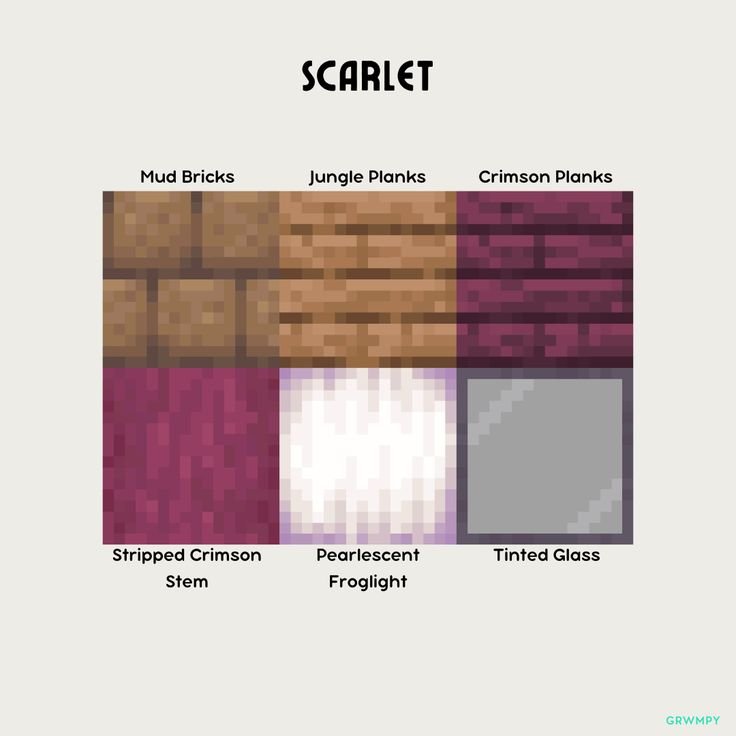
Crafting a truly captivating library—whether it's a grand digital monument in a blocky world or a meticulously planned community hub in real life—begins long before the first stone is laid. It starts with a foundational decision: your Block Palettes & Material Selection for Library Builds. This isn't just about picking pretty blocks; it's about making deliberate choices that sculpt atmosphere, guide functionality, and tell the story of your space. Ignore this crucial step, and you risk a bland, disorienting, or even uninspiring environment. Get it right, and you lay the groundwork for a place where knowledge thrives and imaginations soar.
At a Glance: Crafting Your Library's Material Story
- Theme First: Before selecting a single block, define your library's core identity (e.g., ancient, futuristic, cozy, magical).
- Layered Approach: Think in primary, accent, and detail blocks to create visual depth and interest.
- Functionality Drives Form: Materials impact acoustics, lighting, accessibility, and overall user experience.
- Contrast is Key: Use differing textures, colors, and shades to highlight features and prevent visual monotony.
- Iterate and Refine: Don't be afraid to experiment with small mock-ups and adjust your palette as you build.
- Beyond Aesthetics: Consider durability, sustainability (even in virtual worlds!), and how materials contribute to the library's narrative.
Why Your Blocks Matter: The Unseen Power of Materials
Many aspiring builders, digital or otherwise, dive straight into construction, picking blocks or materials based on immediate visual appeal. While instinct is valuable, a library—a space dedicated to thought, learning, and quiet contemplation—demands a more considered approach. The "block palette" isn't merely a collection of materials; it's the very DNA of your building's character, dictating everything from its perceived age to its emotional resonance.
Think of it this way: the materials you choose are the first words in your library's unspoken narrative. A majestic hall built from dark, polished stone and ancient wood whispers tales of forgotten lore and grand traditions. A bright, open space constructed with smooth concrete, glass, and vibrant metals speaks to modern innovation and accessibility. Every material carries an inherent quality – a texture, a color, a reflectivity – that contributes to the overall psychological and physical experience of the space. It’s this profound impact that elevates a mere building into an immersive environment.
Building Your Blueprint: The Pre-Selection Phase
Before you commit to a single block, you need a clear vision. Without it, your material selection becomes a haphazard collection, lacking cohesion and purpose. This preliminary phase is where you define the soul of your library.
Defining Your Library's Vibe: Theme & Purpose
What kind of library are you building? Is it a sprawling, multi-tiered structure filled with ancient scrolls, perhaps reminiscent of a fantastical old-world academy? Or a sleek, minimalist hub for digital resources and collaborative learning? The "fairycore" aesthetic mentioned on Pinterest, for example, would immediately lean towards natural elements, soft pastels, and perhaps glowing accents.
Your theme sets the overarching tone. Consider these common themes as starting points:
- Ancient/Fantasy: Stone bricks, dark oak, carved wood, cobblestone, mossy elements, stained glass, deep reds, greens, and browns.
- Modern/Futuristic: Smooth quartz, concrete, iron, glass, polished blackstone, bright white, muted grays, metallic accents.
- Cozy/Rustic: Varied wood types, terracotta, wool, warm lighting, fireplaces, natural stone, earthy tones.
- Magical/Mystical: Purpur blocks, glowstone, obsidian, end stone, amethyst, vibrant blues, purples, and shimmering effects.
- Industrial/Steampunk: Stone, concrete, iron blocks, copper, exposed pipes (e.g., chains, grindstones), dark metals, gears, warm incandescent lighting.
Your theme will naturally guide your material choices, narrowing down the overwhelming options available. It’s the foundation upon which your entire block palette will be built.
Considering Scale and Scope: From Humble Shelves to Grand Halls
The size and intended use of your library dramatically influence material selection. A small, intimate reading nook might thrive on warmth and soft textures, employing materials like wool carpets, intricate wooden bookshelves, and delicate lighting. Conversely, a colossal public library demands more robust, visually impactful materials for its main structures, balanced with finer details for interior spaces.
- Small-Scale: Focus on intimacy. Rich textures, varied wood grains, soft lighting. The goal is comfort and approachability.
- Large-Scale: Emphasize grandeur and navigability. Clear structural definitions, contrasting materials for different zones, materials that convey durability and permanence. You might use impressive stone for exterior walls and then transition to lighter woods for internal study areas.
Understanding the scale early helps prevent material clashes and ensures your choices feel appropriate for the building's footprint and purpose.
Inspiration Hunting: Where to Gather Ideas
Once you have a theme and scale in mind, it's time to gather visual inspiration. This isn't about copying, but about understanding how others have achieved specific looks and learning from successful material combinations.
- Online Galleries: Platforms like Pinterest (as seen with the "library block palette"), architectural portfolios, and dedicated building communities are goldmines. Pay attention to how different block types interact.
- Real-World Architecture: Look at actual libraries, churches, old houses, or modern museums. How do they use stone, wood, glass, and metal to create an impression?
- Nature: Observe natural landscapes. How do colors and textures blend or contrast in forests, mountains, or coastlines? These organic palettes can be incredibly inspiring.
By actively seeking inspiration, you start to develop an eye for effective material combinations and understand the fundamentals of library architecture through a practical lens. This process helps you build a mental library of successful palettes long before you lay your first block.
Crafting Your Palette: A Systematic Approach
Building a block palette isn't a random assortment; it's a carefully curated collection. Think in layers, starting with the broadest strokes and refining down to the smallest details.
Step 1: The Foundation & Structure — Choosing Primary Materials
These are the backbone of your library: the exterior walls, main flooring, and primary structural elements. They will dominate the visual landscape, so their selection is paramount.
- Exterior Walls: What impression do you want the library to give from afar?
- Examples: Smooth sandstone for a desert oasis library, dark stone bricks for a gothic research vault, pristine quartz for a sleek, futuristic data center.
- Considerations:
- Texture: Rough cobblestone versus smooth polished stone.
- Color: Does it blend with or stand out from the surrounding environment?
- Durability (Conceptually): Does it convey strength and longevity?
- Availability (In-Game): Is it easily obtainable in survival modes, or are you building in creative?
- Main Flooring: How does it feel underfoot (conceptually)? Does it guide movement?
- Examples: Dark oak planks for a warm, inviting feel; polished diorite for a clean, sophisticated look; terracotta for a rustic, earthy vibe.
- Considerations:
- Flow: Does it lead the eye through the space?
- Contrast: Does it complement or contrast with the walls?
- Roofing: Often overlooked, but crucial for character.
- Examples: Dark prismarine for a fantasy build, copper for an aged, natural look, stone brick stairs for a traditional pitched roof.
- Considerations:
- Shape: Does the material support the roof's architectural style?
- Weathering: Does it look good as it ages (e.g., copper changing color)?
The Base Layer: Color and Texture Harmony
When selecting primary materials, focus on a foundational set of 2-4 blocks that work harmoniously. This often involves variations of the same material (e.g., stone bricks, cracked stone bricks, mossy stone bricks) or complementary types (e.g., oak wood with cobblestone). Avoid too much variation at this stage; save that for accents. Aim for a cohesive visual language that speaks to your chosen theme.
Step 2: Accent & Detail Blocks — Adding Character and Depth
Once the primary structure is defined, you can introduce accent blocks. These are used for trim, borders, columns, arches, window frames, and other elements that break up large surfaces and add visual interest.
- Purpose: Accent blocks highlight architectural features, define different sections, and provide visual relief. They prevent the primary materials from becoming monotonous.
- Tips for Selection:
- Contrast: Use a block with a different color or texture to make it pop against the primary material. For dark stone walls, a lighter polished stone or a contrasting wood can be very effective for window frames.
- Subtle Variations: Sometimes, a slightly darker or lighter shade of the primary material is enough to add definition without being jarring.
- Shape: Stairs, slabs, and walls of your chosen accent material can create intricate details like cornices, railings, or window sills.
- Example: If your primary wall is light gray concrete, accents could be dark gray concrete, blackstone, or even a deep blue stained glass. For a medieval library of dark oak, consider lighter birch or spruce details, or deep red wool banners.
Remember, accents should enhance, not overwhelm. They are the details that truly bring your library to life, giving it a sense of craftsmanship and thought.
Step 3: Functional & Interior Elements — Bringing the Library to Life
This category includes everything that makes your library functional and inhabitable. Bookshelves are obvious, but also consider desks, seating, lighting, and decorative elements.
- Shelves & Storage: In many block-based games, bookshelves are specific blocks. But you can also create custom shelving using various wood types, trapdoors, signs, or even item frames to display "books."
- Desks & Seating: Consider slabs and stairs for benches, tables, and chairs. Different wood types or stone slabs can define distinct study areas. Don't forget the potential for crafting immersive reading nooks by carefully selecting materials for built-in seating or small, cozy corners.
- Lighting: Beyond just illuminating the space, lighting elements contribute heavily to the ambiance. Torches, lanterns, glowstone, sea lanterns, redstone lamps, or even strategically placed lava (carefully contained!) can serve different aesthetic and practical purposes. Optimal lighting design for libraries is crucial not just for visibility but for setting the right mood.
- Aesthetics & Decor: Paintings, carpets (wool or concrete/terracotta for patterns), potted plants, banners, and even custom statues can enrich the interior. These smaller elements are often where your palette gets its final flourish.
Don't Forget the Books! (or their block equivalent)
Libraries are, at their core, about books. If you’re building in a game like Minecraft, the actual bookshelf block is a given. However, consider how you might represent different types of books or scrolls using varied textures. Item frames with different colored banners or maps, lecterns, or even carefully placed "written books" can add layers of detail. The material of the "bookshelves" themselves should complement the overall palette, often using rich wood types.
Step 4: Environmental & Narrative Blocks — Storytelling Through Surroundings
Your library doesn't exist in a vacuum. The surrounding environment, whether interior or exterior, can dramatically enhance its story.
- Landscaping & Pathways: What leads up to your library? Cobblestone paths, gravel trails, manicured gardens with different leaf blocks, or even flowing water features. These transitions prepare visitors for the space within.
- Exterior Features: Fences, gates, statues, fountains, or even guardian figures can add character to the building's exterior.
- Atmospheric Touches: Vines trailing down walls, mossy cobblestone indicating age, water features adding serene sounds, or even strategically placed magma blocks for a subtle glow and warmth (if the theme allows). These elements help the library feel lived-in or part of a larger world.
These narrative blocks deepen the immersion, making your library feel like a natural part of its environment rather than just a standalone structure.
A Word on Contrast & Complement: Making Blocks Pop (or blend)
The secret to a dynamic palette lies in intelligent use of contrast and complement.
- Contrast: Use different shades (light/dark), textures (smooth/rough), and even materials (wood/stone) to make elements stand out. A dark wall with light trim, or a rough stone pillar against a smooth concrete wall, creates visual interest.
- Complement: Ensure materials chosen, even when contrasting, still feel right together. They should share an underlying thematic unity. A rustic library might contrast dark oak with light birch, but probably wouldn't introduce futuristic chrome.
Think of it like a symphony: you need different instruments playing different notes, but all working together to create a harmonious whole.
Beyond Blocks: Integrating Material Selection with Functionality
Material selection extends far beyond visual appeal. In both virtual and physical architecture, the choice of materials profoundly impacts the practical utility and experiential quality of a library.
Acoustics & Ambiance: The Sound of Silence (or Buzz)
Different materials reflect and absorb sound differently. In a library, where quiet concentration is often paramount, this is a critical consideration.
- Hard, Smooth Materials (e.g., stone, glass, polished metals): Tend to reflect sound, creating echoes and increasing ambient noise. In large halls, this can be problematic for conversation and quiet study.
- Soft, Porous Materials (e.g., wool, carpet, certain woods, leaves, bookshelves full of books): Absorb sound, dampening echoes and creating a quieter, more intimate atmosphere.
When designing, consider using sound-absorbing materials in reading areas and effective acoustic treatment solutions for larger, more open spaces. Even in a block-building game, visually representing these principles (e.g., using wool carpets in study areas) adds realism and a layer of thoughtful design. The chosen palette should visually communicate the intended soundscape of each area.
Durability & Maintenance: Building to Last
While "durability" in a block game might refer to blast resistance or fire immunity, in real-world libraries, it's about longevity and ease of maintenance.
- High-Traffic Areas: Floors and walls in common pathways should use robust, easily cleanable materials (e.g., hard stone, glazed terracotta, concrete).
- Specialized Areas: Rare materials might be used in display cases or specific exhibits, but the bulk of the library needs to withstand constant use.
Even in a virtual build, thinking about "durability" helps you choose materials that convey a sense of permanence or, conversely, fragility, aligning with your narrative. For instance, a derelict library might strategically use cracked stone or crumbling blocks to suggest decay.
Accessibility Considerations: Materials for All
Material choices can impact accessibility for all users.
- Flooring Transitions: Uneven floor textures or abrupt changes can be trip hazards or difficult for wheeled access. Smooth transitions are key.
- Visual Contrast: Using contrasting colors for different zones or for safety markers (e.g., stair edges) can aid visually impaired individuals.
- Reflectivity: Highly reflective surfaces can cause glare, which might be uncomfortable or disorienting.
A thoughtful palette considers how materials not only look but how they facilitate ease of movement and comfort for everyone who enters the library.
Sustainability & Sourcing: An Ethical Palette
In real-world architecture, the environmental impact of materials is a growing concern. Are materials locally sourced? Recycled? Renewable? Even in a virtual context, this concept can be applied creatively.
- Natural vs. Manufactured: Are you using abundant natural blocks (wood, stone) or more complex, manufactured ones (concrete, polished blocks)?
- Resource Management (in-game): In survival mode, this translates to using resources that are readily available or renewable.
- Thematic Alignment: A nature-themed library might prioritize wood, leaves, and natural stone, reflecting a commitment to ecological principles. Considering sustainable building materials lends an extra layer of depth to your design philosophy, even when the blocks are infinite.
These considerations elevate your material selection from purely aesthetic choices to statements about your values and design philosophy.
Common Pitfalls & How to Avoid Them
Even with the best intentions, block palette selection can go awry. Knowing common missteps can save you time and frustration.
- Too Many Colors/Textures (Visual Clutter): This is perhaps the most common mistake. A palette overflowing with too many distinct block types or jarring color combinations creates a chaotic, unfocused look.
- Solution: Stick to a core set of 3-5 primary blocks, with another 2-3 for accents and details. Introduce new colors sparingly and with purpose.
- Lack of Contrast (Flatness): Conversely, using too few materials or materials that are too similar in color and texture can make a build appear flat and uninteresting.
- Solution: Consciously incorporate materials that offer some degree of contrast – a lighter trim against a darker wall, a rough texture next to a smooth one. Use varying block depths (stairs, slabs) to create shadow and dimension.
- Ignoring Scale (Disproportionate Elements): A block that looks great as a small detail might be overwhelming as a primary wall material in a huge structure. Similarly, tiny details can get lost on a massive build.
- Solution: Always consider the size of your build relative to the size and visual weight of the individual blocks. Use larger, simpler blocks for expansive surfaces and reserve intricate, textured blocks for smaller, focused areas.
- Forgetting Function (Looks Good, But Impractical): A stunning material choice might compromise usability. For example, a floor made entirely of lava might look dramatic for a "hell-themed" library, but it's utterly impractical for patrons trying to access books.
- Solution: Always balance aesthetics with the practical needs of a library. Is it easy to navigate? Is it well-lit? Does it feel comfortable? Prioritize these aspects, then integrate your desired look.
Mastering the Art of Iteration: Test, Refine, Build
No one gets a perfect block palette on the first try. Design is an iterative process.
- Start Small, Create Mock-ups: Before committing to a full-scale build, create small test walls or sections. Experiment with different block combinations. See how they look in various lighting conditions. This is where you test your proposed primary and accent blocks together.
- Seek Feedback: Share your palette or mock-ups with friends or online communities. A fresh pair of eyes can spot issues you missed or offer unexpected suggestions.
- Don't Be Afraid to Change: Sometimes, a block that looked great on paper just doesn't work in practice. Be willing to scrap elements of your palette and try something new. The best builders are those who are flexible and learn from their experiments.
This iterative process isn't a sign of failure; it's a mark of thoughtful design. Each refinement brings you closer to the ideal library you envision.
Pulling it All Together: Designing Your Dream Library
The journey of Block Palettes & Material Selection for Library Builds is a deep dive into the essence of architectural storytelling. It’s about understanding that every chosen material, from the grandest façade to the smallest decorative accent, contributes to a cohesive, functional, and emotionally resonant space. Your palette isn't just a collection; it's a carefully composed symphony of textures, colors, and forms that will define the experience of your library.
Armed with these principles, you're not just a builder; you're a curator of atmosphere, a designer of narratives, and an architect of experiences. Experiment, trust your vision, and don't be afraid to break a few virtual blocks to find the perfect combination. Your finished library won't just be a building; it will be a testament to thoughtful design, a place where stories live and new ones are discovered. For a more expansive look at designing these vital knowledge hubs, delve into our complete Minecraft library design guide.