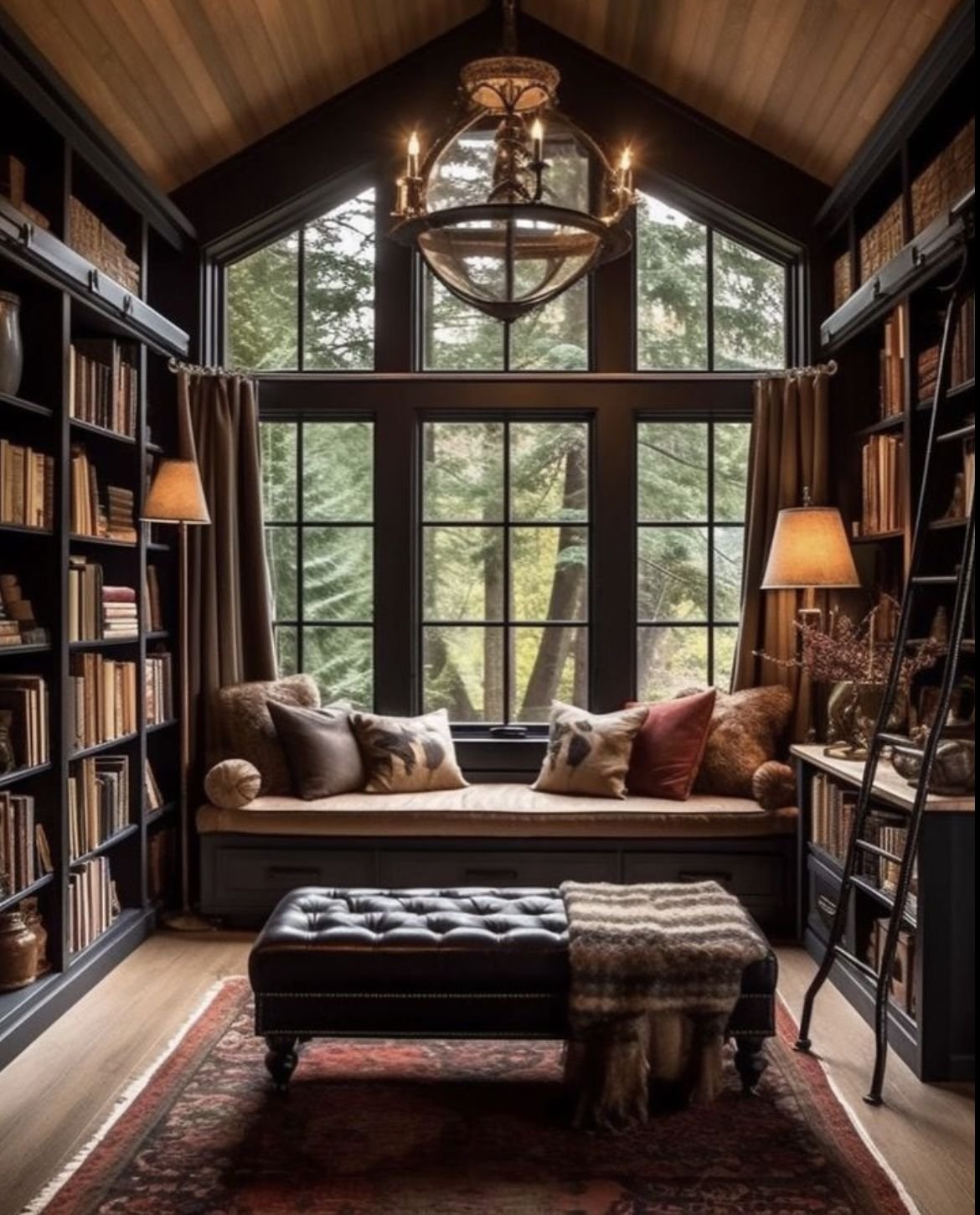
In an age where information is always at our fingertips, the library might seem like an anachronism. Yet, nothing could be further from the truth. Modern libraries are thriving as vibrant community anchors, dynamic learning spaces, and essential social hubs – and the secret often lies in their thoughtful Interior Decor, Detailing & Furniture for Libraries. It’s no longer enough for a library to be a silent repository of books; today, it must be an experience, a destination that draws people in, fosters connection, and supports diverse activities, from quiet study to boisterous children's programs.
This isn't just about aesthetics; it's about intentional design that shapes how people interact with knowledge, with each other, and with the very fabric of their community. Crafting these engaging environments requires a deep understanding of user needs, functional demands, and the psychology of space.
At a Glance: Designing Tomorrow's Library
- Libraries are evolving: From quiet book storage to dynamic community hubs, requiring versatile spaces.
- Strategic design is key: Furniture and decor dictate how users interact with the library.
- Functionality and flexibility reign: Modular furniture, adaptable zones, and ergonomic solutions are essential.
- Comfort and user experience are paramount: Seating, lighting, and acoustics create welcoming environments.
- Sustainability and durability matter: Invest in furniture built to last, with eco-friendly certifications.
- Expert partnerships simplify complex projects: Companies like LFI and Lammhult Biblioteksdesign offer invaluable guidance, from consultation to custom design and installation.
- Detaliling elevates the experience: Biophilic elements, effective signage, and thoughtful material choices personalize spaces.
Beyond the Stacks: Reimagining the Library Experience
The traditional image of a library—rows of imposing wooden shelves, hushed tones, and strict rules—is quickly fading. Today's libraries are embracing their role as "third spaces," bridging the gap between home and work, offering resources and experiences often unavailable elsewhere. This evolution demands a fundamental shift in how we approach interior decor, detailing, and furniture.
Think about it: patrons now expect dedicated areas for co-working, quiet nooks for deep concentration, engaging zones for children, tech-equipped meeting rooms, and comfortable lounges for casual reading or social interaction. The very furniture and design elements must serve these multifaceted purposes, often simultaneously. It’s about creating an inviting atmosphere that says, "You belong here, whatever your need."
Crafting an Experience: Essential Design Principles for Modern Libraries
Designing a contemporary library isn't just about picking out attractive pieces; it’s a strategic endeavor rooted in core principles that prioritize the user, the community, and the library's mission.
Prioritizing Functionality and Flexibility
Every piece of furniture and every design decision should serve a clear purpose. Libraries host a vast array of activities, from individual study and research to group projects, workshops, and community events. This means fixed, monolithic furniture often won't cut it.
Consider flexible shelving systems like Lammhult Biblioteksdesign's 60/30 or Uniflex, which can adapt to changing collection sizes or reconfigurations. Mobile display units, lightweight chairs, and modular seating arrangements allow librarians to quickly transform a space from a quiet reading room into a bustling event venue. This adaptability is crucial for maximizing space utilization and responding to evolving community needs. For complex projects, Library Furniture International (LFI) offers comprehensive consulting and custom capabilities, ensuring every piece fits the functional demands, even creating unique items from children's museum-style play structures to bespoke circulation desks.
Cultivating Comfort and Ergonomics
A comfortable patron is a happy, engaged patron. Libraries should be places where people want to linger, learn, and relax. This means investing in ergonomic seating that supports various postures – from task chairs at computer stations to plush sofas for casual reading.
Lammhult Biblioteksdesign offers a wide variety of seating from brands like Hay, Softline, and Fora Form, ensuring options for every zone. Consider height-adjustable counters and search stations, like Lammhult's Info Pod Counter and Inform Counter, which cater to different users and improve accessibility. Good lighting, comfortable temperatures, and attention to acoustics also play a vital role in creating an environment where concentration is possible and conversations can occur without disturbing others.
Weaving Aesthetics with Local Identity
While functionality is primary, aesthetics give a library its soul. The interior design should reflect the community it serves – its history, culture, and aspirations. This might mean incorporating local art, using materials common to the region, or echoing the architectural style of the surrounding area.
A well-designed library has a cohesive visual language that guides visitors and reinforces its brand. Color choices, fabric selections, and material finishes all contribute to the overall atmosphere. A vibrant children's section might burst with bold colors and playful forms, while a quiet study area could feature muted tones and natural wood. Lammhult, for instance, offers diverse material and color options to shape atmosphere, including lacquered steel for shelving and various veneers, melamines, plywoods, and plastics for other furniture, allowing for tailored design preferences.
Accessibility and Inclusivity for All
Modern libraries are champions of inclusivity. This translates directly into design choices. Aisles must be wide enough for wheelchairs and strollers, shelving heights should be accessible, and signage needs to be clear and multi-modal. Furniture should accommodate different body types and physical abilities. Height-adjustable features on desks and counters are excellent examples of inclusive detailing. This commitment extends to creating sensory-friendly spaces or quiet zones for individuals with specific needs, ensuring everyone feels welcome and supported.
Prioritizing Durability and Sustainability
Library furniture is an investment designed for heavy use and longevity. Materials must be robust, easy to clean, and able to withstand the rigors of a busy public space. LFI emphasizes professional, careful installation for product longevity and provides post-install support for replacement parts, highlighting their commitment to durable solutions.
Sustainability is another crucial consideration. Libraries are often community leaders in environmental stewardship. Opting for furniture made from recycled materials, sustainably sourced wood (FSC certified), or designed for disassembly and recycling aligns with these values. Lammhult Biblioteksdesign, for example, is committed to providing certified furniture options and designs products for disassembly and recycling, supporting sustainable forestry. This not only benefits the planet but also sends a powerful message to the community.
Strategic Furniture Selection: Diving Deep into Library Essentials
Choosing the right furniture is a complex ballet of balancing aesthetics, functionality, durability, and budget. Here’s a closer look at key furniture categories.
Shelving Systems: The Backbone of the Collection
Gone are the days when all shelves looked the same. While traditional straight shelving remains vital for collection capacity, modern libraries incorporate creative solutions to break up space and invite exploration. Round shelving, such as Lammhult's 60/30 Classic Round, Lingo Round, and Inform Round, adds a dynamic visual element and can create intimate browsing nooks.
When planning, capacity is key. LFI excels in capacity planning, calculating optimal shelving and display needs to ensure your collection is showcased effectively and circulation is increased through thoughtful layout design. Versatile and durable shelving systems, like Lammhult's 60/30, Uniflex, and Lingo, offer long-term solutions that can be adapted as your collection evolves.
Circulation & Search Stations: Welcoming and Guiding
The circulation desk is often the first point of contact for visitors. It should be welcoming, functional, and efficient. LFI specializes in custom capabilities, able to create unique circulation desks tailored to a library's specific needs and aesthetic.
Beyond the main counter, self-service stations are becoming increasingly popular. Lammhult's Inform Counter and Info Pod Counter offer height-adjustable options for staff and patrons, enhancing accessibility. Search stations like Flatline and Inform assist with self-help tasks and book returns, providing convenience and freeing up staff for more complex inquiries. Signage and return cabinets complement these stations, ensuring a smooth user experience.
Seating for Every Purpose
Modern libraries demand a diverse range of seating to support their varied activities.
- Study Seating: Ergonomic chairs for long hours at desks or computer stations.
- Lounge Seating: Comfortable sofas, armchairs, and poufs (like those from Hay, Softline, and Fora Form offered by Lammhult) for relaxed reading, casual conversations, or simply unwinding.
- Quiet Zones: Dedicated areas with sound-absorbing furniture. Lammhult's HabiCave and Luna Sound Chair offer excellent solutions for creating these introspective spaces.
- Biophilic Seating: Integrating natural elements. Lammhult’s biophilic-inspired tree trunks (Floki, Ragnar, Bjorn, Rollo) add a unique, grounding touch.
- Children's Seating: Scale-appropriate, durable, and often playfully designed chairs and soft seating.
- Outdoor/Flexible Seating: Plastic furniture from brands like Plust and Magis (e.g., Proust Armchair, Gumball Junior Sofa, Puppy, Trioli) provides durable, easy-to-clean options suitable for both indoor and outdoor use. Don't forget cushions like Olivia and Eva, with cushion trolleys for easy transport and storage.
Display Furniture: Highlighting Treasures
Effective display furniture is crucial for promoting collections, highlighting new arrivals, or showcasing special themes. From small, versatile podiums like Lammhult's Maria (a 3-in-1 display/storage/seating solution) to larger exhibition units, displays draw attention. Mobile A-displays (Ella, Say “A”) allow for flexible promotions, while display towers such as Labyrinth, Oslo, Stockholm, Quattro, and Cube offer multi-sided presentation for books and magazines. These pieces are essential for capturing attention and encouraging discovery.
Book Browsers: Engaging Discovery
Browsers are a fantastic way to make collections more inviting, especially for children or specific genres. They allow books to be displayed face-out, making titles instantly visible and appealing. Lammhult offers popular mobile browsers like Sara (square/round) and Anette. For music, movies, and audiobooks, the Malmö AV browser is ideal.
Children’s book browsers and the charming animal-themed Wildlife browsers (Dilly, Gordon, Elna, Elof, Ture, Leopold) offer playful designs that stimulate imagination. Models like Little Claus, Big Claus, and Anette feature lower heights and colorful accents, perfectly scaled for young readers. This kind of thoughtful design, much like how design elements, like in Minecraft, can stimulate creativity and engagement, transforms a simple act of choosing a book into an exciting adventure.
Book Trolleys: The Unsung Heroes of Logistics
Often overlooked, book trolleys are essential for the smooth operation of any library. They aren't just for moving materials; many models double as return stations or portable mini shelving systems. Lammhult's Öland XL and Gotland XL models exemplify this versatility.
When selecting book trolleys, consider size, capacity, maneuverability (especially in tight spaces), durability, construction materials, and ergonomics for staff. Single-sided types like Halland, Ergoline, Crossrunner, and Ørestad, and double-sided options like Gotland and Ven, offer different strengths for various library tasks.
Children's Furniture: Fostering Young Minds
The children's zone is often the most vibrant and creative area of a library. Furniture here must be designed to stimulate reading and play, featuring playful designs, clever functions, solid construction, bold colors, and fun graphics.
This includes soft seating, imaginative cave furniture, and nature-inspired poufs and animal-like browsers, as seen in Lammhult’s extensive range. Safety, durability, and ease of cleaning are paramount, but so is sparking joy and curiosity. Creating an environment that feels like a discovery zone encourages early literacy and a lifelong love of learning.
Beyond the Individual Piece: The Power of Detailing & Zoning
The magic of a well-designed library isn't just in its furniture, but in how everything comes together – the flow, the subtle cues, and the thoughtful details.
Zoning for Flow and Function
Effective library design breaks large spaces into smaller, more manageable "zones." This helps guide patrons, reduces noise, and supports diverse activities. Lammhult Biblioteksdesign often groups products into zones (e.g., "Entrance zone," "Children’s zone") and themes (e.g., "Inspired by nature") to simplify design.
Typical zones might include:
- Entrance Zone: Welcoming, with quick information and new releases.
- Quiet Study Zone: Individual carrels, comfortable chairs, and minimal distractions.
- Collaboration Zone: Flexible tables, comfortable group seating, and tech hookups.
- Children’s Zone: Bright, engaging, with low shelving and playful furniture.
- Teen Zone: Slightly more edgy decor, comfortable lounge seating, and access to specific collections.
- Community/Event Space: Reconfigurable areas for programs, workshops, or meetings.
- Cafe/Social Area: More relaxed seating, perhaps near natural light, for casual interactions.
Each zone should have its own distinct atmosphere, created through furniture, lighting, and subtle detailing, yet remain cohesive with the overall library design.
Biophilic Design: Bringing Nature Indoors
Biophilic design is a powerful approach that integrates natural elements, materials, light, and patterns into interior spaces to promote well-being and productivity. In libraries, this means using natural wood tones, plants, natural light, and organic shapes.
Lammhult Biblioteksdesign offers biophilic library furniture, like their tree-trunk inspired seating (Floki, Ragnar, Bjorn, Rollo), which connects users with nature and fosters a calmer, more restorative environment. The psychological benefits—reduced stress, improved mood, and enhanced cognitive function—make biophilic design a smart investment for libraries aiming to be sanctuaries in busy lives.
Signage and Wayfinding: Guiding the Journey
Even the most beautiful library can be frustrating if patrons can't find what they need. Clear, intuitive signage and wayfinding elements are critical. These act as navigation tools, helping visitors locate sections, resources, and services efficiently.
Solutions range from standard display shelves (Woody, Sharp) and design shelves (On a Green Twig) to freestanding acrylic displays and design steel displays (Owl) from Lammhult. Integrating signage directly into shelving or using clear, consistent iconography can significantly improve user experience, making the library feel accessible and easy to navigate for everyone.
Material and Colour Selection: Shaping Atmosphere
The choice of materials and colors has a profound impact on the library's atmosphere and functionality.
- Materials: Lacquered steel for shelving offers durability and a modern look. Veneer on book trolleys adds warmth, while melamine on podiums and browsers provides a hard-wearing, easy-to-clean surface. Plywood can be shaped into playful animal browsers, and plastic furniture offers versatile, often colorful, indoor/outdoor options. Each material brings its own properties regarding aesthetics, maintenance, and longevity.
- Colors: Strategic use of color can define zones, evoke emotions, and enhance visual appeal. Bright, stimulating colors are perfect for children's areas, while muted, calming tones suit quiet study zones. Lammhult offers products in various colors to match design preferences and market trends, allowing libraries to craft specific moods.
Partnering for Success: Expert Guidance Makes the Difference
Undertaking a library design project, whether a full renovation or a focused upgrade, is a significant undertaking. Partnering with experienced professionals can streamline the process, ensure quality, and deliver optimal results.
The Value of Consultation and Custom Capabilities
Companies like LFI (Library Furniture International) bring over 23 years of experience to the table. Their comprehensive process begins with consulting, identifying your specific needs, budget, and timeline. This initial step is critical for laying a solid foundation for the project.
LFI also offers robust custom capabilities, meaning they can create bespoke items, from unique children's museum-style play structures that spark imagination to custom circulation desks that perfectly fit your operational workflow and aesthetic. This flexibility ensures your library gets precisely what it needs, rather than settling for off-the-shelf solutions.
Design, Project Management, and Installation Expertise
Beyond initial consultation, design partners provide crucial support throughout the project lifecycle:
- Design Assistance: Expert teams assist in product, fabric, and finish selection, ensuring coherence and durability.
- Project Management: Keeping complex projects on time and within budget, coordinating all moving parts.
- Capacity Planning: Calculating optimal shelving and display needs to maximize collection showcase and circulation.
- Installation: Professional, careful, and efficient installation is paramount for product longevity and safety.
- Post-Install Support: Providing replacement parts based on original specifications, safeguarding your investment for years to come.
LFI's full-service approach, coupled with their TIPS vendor status for education, government, and non-profit organizations, makes them a trusted partner.
Collaboration and Global Reach
Lammhult Biblioteksdesign, with nearly a century of experience, exemplifies deep collaboration. They work closely with architects, designers, and librarians to adapt their services to project needs, focusing on design and functionality to enhance the library experience across public, academic, school, corporate, and specialist environments.
For libraries seeking convenient access to furniture and accessories, Eurobib Direct, Lammhult's webshop, serves various European countries, offering an extensive range and interior design support via phone or email for product information and purchase assistance. This blend of personalized consultation and accessible online resources makes quality library design support widely available.
Navigating Common Pitfalls in Library Design
Even with the best intentions, design projects can stumble. Be wary of these common missteps:
- Ignoring User Feedback: Designing in a vacuum without understanding the diverse needs and desires of your community will lead to underutilized spaces. Engage your patrons early and often.
- Lack of Flexibility: Investing heavily in fixed, unmovable furniture can quickly render a space outdated. Prioritize modularity and adaptability.
- Sacrificing Durability for Aesthetics: Library furniture faces constant use. Cheaper, less durable options might look good initially but will quickly show wear and tear, costing more in the long run.
- Poor Acoustics: An overly noisy or echoing library defeats its purpose. Plan for sound absorption in open areas and sound isolation in quiet zones.
- Underestimating Maintenance: Choose materials and finishes that are easy to clean and maintain, considering the inevitable spills and daily wear.
- Neglecting Future-Proofing: Technology evolves rapidly. Ensure your design can accommodate future power needs, data ports, and flexible tech integration.
Your Next Steps: Building a Library for Tomorrow
Designing a library today is about much more than just storing books; it’s about curating experiences, fostering connections, and empowering communities. By focusing on smart Interior Decor, Detailing & Furniture for Libraries, you can transform your space into a vibrant, essential hub for all.
Start with a clear vision of what your library wants to achieve for its community. Consult with experienced partners like LFI and Lammhult Biblioteksdesign early in your planning process. Prioritize user experience, accessibility, and sustainability in every decision. Think long-term, investing in quality and flexibility that will serve your patrons for decades to come. The effort you put into shaping your library's physical environment will directly contribute to its success as a cornerstone of learning, culture, and community engagement.