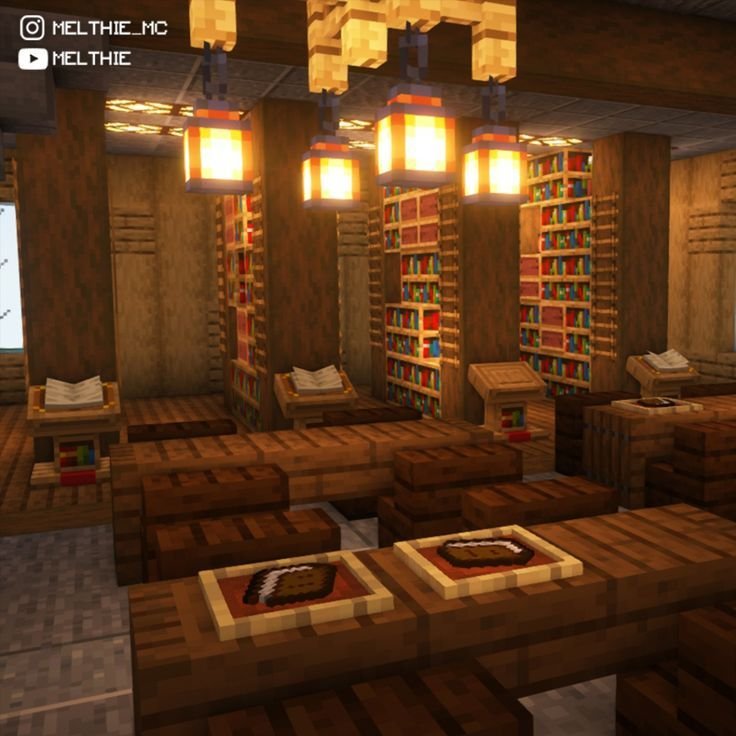
Step into the boundless blocky world of Minecraft, and you’ll quickly discover that building isn't just about survival – it’s about creation, self-expression, and bringing imaginative spaces to life. Among the myriad projects, the humble (or epic!) library stands out as a beloved choice, offering not just a place to store enchanted books but a tranquil sanctuary, a functional hub, or a grand architectural statement.
Whether you're envisioning a cozy nook for quiet contemplation or a sprawling citadel of knowledge, understanding the fundamental Minecraft Library Layouts & Basic Design Principles will elevate your build from functional to fantastic. Ready to turn those dusty tomes into a vibrant narrative crafted in stone, wood, and glass?
At a Glance: Your Library Building Blueprint
- Start with Purpose: Decide if your library is for enchanting, storage, aesthetics, or a combination.
- Master the Core Elements: Bookshelves, lighting, materials, and architectural features are non-negotiable.
- Light It Up: Prevent mob spawns and set the mood with strategic illumination.
- Material Matters: Choose blocks that match your desired theme – rustic, modern, medieval, or futuristic.
- Embrace Layout Diversity: From multi-story wonders to hidden underground retreats, there's a design for every vision.
- Function Meets Form: Integrate enchanting tables, potion stations, or secret passages for utility.
- Personalize Everything: Add unique decorations, custom banners, and specific furniture to make it yours.
The Allure of the Minecraft Library: More Than Just Storage
Why dedicate precious resources and build time to a library in Minecraft? Beyond their obvious utility for storing enchanted books, libraries offer a unique canvas for creativity. They can serve as:
- Tranquil Retreats: A quiet corner in a bustling base where you can unwind.
- Enchanting Hubs: A dedicated, aesthetically pleasing space for leveling up your gear.
- Potion Brewing Stations: Often integrated, these add another layer of functionality.
- Architectural Centerpieces: A grand hall of knowledge can be the focal point of a town or castle.
- Storytelling Elements: An ancient, abandoned library can hint at lore, while a modern complex speaks of progress.
Whatever your motivation, designing a compelling library starts with a clear vision and a grasp of the foundational elements.
The Foundation: Essential Design Elements for Any Library
Every impressive Minecraft library, regardless of its theme or scale, relies on a core set of building blocks and design considerations. Getting these right is the first step toward a standout structure.
Bookshelves: The Heart of It All
It goes without saying: a library needs bookshelves. These aren't just decorative; they're vital for enchanting. The standard Minecraft bookshelf block is a good start, but don't limit yourself. Consider:
- Variety: Mix up bookshelf blocks with regular wooden planks or stairs for visual texture, especially if you're not planning to use every single one for enchanting power.
- Placement: Think about density. Floor-to-ceiling shelves create an imposing feel, while lower ones invite casual browsing.
- Accessibility: If your shelves are tall, you'll need ladders, scaffolding, or even creative water elevators to reach the top.
Illumination: Banishing Shadows & Spawns
Lighting isn't just about aesthetics; it's a critical safety feature. In Minecraft, insufficient light spawns hostile mobs, which is the last thing you want in your peaceful sanctuary of knowledge.
- Diverse Sources: Beyond simple torches, explore candles, lanterns (hanging or standing), glow blocks (glowstone, shroomlight, sea lanterns, froglights), redstone lamps (which can be hidden or activated), and even natural light via windows or glass ceilings.
- Strategic Placement: Conceal light sources within walls, floors, or ceilings (e.g., glowstone under carpets or behind item frames) for a softer, more integrated look.
- Ambiance Control: Warm light sources like torches and candles create a cozy, rustic feel, while cooler light from sea lanterns or glowstone can lend a modern, crisp atmosphere. For a comprehensive look at mastering lighting in Minecraft, remember to plan early!
Material Mastery: Setting the Scene
The blocks you choose dictate your library's entire aesthetic. Minecraft offers an incredible palette; mixing and matching thoughtfully creates depth and character.
- Woods: Oak, spruce, dark oak, birch, acacia, jungle, crimson, and warped planks, logs, and stripped logs offer distinct colors and textures for walls, floors, and furniture.
- Stones: Cobblestone, stone brick, diorite, andesite, granite, polished variants, smooth stone, basalt, and blackstone provide a sturdy, often ancient or industrial feel.
- Specialty Blocks: Glass (clear or stained), concrete (a rainbow of colors for modern builds), quartz (sleek and sophisticated), thatch (for cottagecore vibes), and even nether blocks can drastically alter the mood.
- Texture Blending: Don't be afraid to combine materials. For instance, a stone foundation with wooden walls, or polished granite exteriors with rustic wooden interiors, can be incredibly effective. To delve deeper into a deeper dive into material choices, consider how each block contributes to your overall theme.
Architectural Flair: Structure Beyond the Box
A library doesn't have to be a simple rectangular room. Think big with these architectural elements:
- Levels and Verticality: Multiple floors, mezzanines, and towering ceilings create grandeur and space.
- Corridors and Passages: Twisting corridors can add mystery, while grand central hallways invite exploration.
- Secret & Hidden Spaces: Hidden rooms, secret passages activated by levers or hidden buttons, or even disguised storage areas add intrigue and functionality.
- Structural Supports: Columns, arches, and buttresses aren't just aesthetic; they define spaces and add realism.
- External Features: Moats, drawbridges, towers (for fortified castles), internal and external staircases, balconies, and large windows all contribute to a compelling exterior and interior.
- Geometric Shapes: Move beyond squares! Circular rooms, octagonal towers, or triangular rooflines can make a build truly unique.
Decorative Touches: Bringing Life to Your Stacks
Once the structure is complete, it's the small details that transform a building into a lived-in space.
- Greenery: Plants, potted flowers, leaf blocks, vines, and even custom trees can add freshness and color.
- Artwork: Paintings, item frames displaying maps or custom artwork, and banners can personalize walls.
- Textiles: Carpets, custom banners (using looms), and even colored wool blocks can add warmth and patterns.
- Unique Furniture: Beyond standard stairs and slabs, craft custom chairs, tables, desks, lecterns, and even intricate fireplaces. Armor stands can become statues or mannequins, and barrels or chests can be disguised as decorative storage. Find inspiration for unique decorative touches to make your library truly shine.
Laying Out Your Narrative: Core Design Principles
With the essential elements in mind, let's explore the guiding principles that shape effective Minecraft library layouts. These aren't rigid rules but flexible frameworks to help you design with intention.
Principle 1: Purpose-Driven Design
Before placing your first block, ask yourself: What is the primary function of this library?
- Enchanting Station: Focus on a compact, efficient layout with the requisite 15 bookshelves surrounding an enchanting table, prioritizing functionality over sprawling grandeur.
- Storage Hub: Design with accessible, organized sections for different types of books, scrolls, or even general items, potentially incorporating hidden chests or dedicated archives.
- Aesthetic Showcase: Prioritize visual appeal, grand entrances, high ceilings, and elaborate decorations. Functionality might be secondary to the "wow" factor.
- Role-Playing / Social Hub: Create comfortable reading nooks, a central gathering area, or even a small cafe section to encourage interaction.
Principle 2: Flow & Functionality
A great library is easy to navigate and a joy to use.
- Clear Pathways: Ensure ample space between bookshelves and furniture for easy movement. Avoid cramped corridors.
- Logical Zoning: Group related areas. Keep enchanting stations near book collections, or a reading nook away from a noisy potion-brewing area.
- Accessibility: If your library has multiple levels, design intuitive staircases, ladders, or even water elevators for smooth vertical travel. Consider a central staircase as a grand focal point.
- Hidden Utility: Secret passages leading to secure storage or a private enchanting room can add a layer of intrigue and practicality.
Principle 3: Ambiance & Atmosphere
The mood of your library greatly impacts the experience.
- Lighting Palette: Warm light for coziness (torches, candles), cool light for modernity (sea lanterns, glowstone), or mixed for depth.
- Material Symphony: Combine materials that complement each other. Stone and dark wood evoke medieval; quartz and glass suggest modern.
- Color Scheme: A soothing palette (whites, greys, browns, muted greens) is often preferred for libraries, but bold accents can create visual interest.
- Soundscapes: Consider adding water features (fountains, small ponds) for calming background sounds, or even a fireplace for a crackling audio backdrop.
Principle 4: Scale & Scope
Your world, your rules. Libraries can be tiny or monumental.
- Small & Compact: Ideal for starter bases or as a dedicated enchanting room. Focus on efficiency and clever use of space.
- Medium-Sized: Allows for multiple levels, a few reading nooks, and a more defined aesthetic.
- Epic & Grand: Requires significant planning and resources, often becoming a centerpiece for a large city, castle, or fantasy kingdom. Think towering structures, vast halls, and intricate details.
Principle 5: Biome Integration
Let your surroundings inspire your build.
- Forest Biome: Use lots of wood, incorporate natural light, and perhaps build an outdoor reading patio nestled among the trees. The "Modern Complex Library" concept, situated in a forest, is a great example.
- Desert Biome: Lean into sandstone, terracotta, and warm lighting. Perhaps an "Old Library" theme fits here, weathered by desert winds.
- Mountain Biome: Carve into the rock for an "Underground Library," or build a "Castle Library" into a cliff face.
- Ocean Biome: A "Sea-Side Minecraft Library" with white concrete and diorite can offer stunning views.
Principle 6: Security & Preservation
Protect your precious knowledge (and yourself!).
- Mob-Proofing: Ample lighting is your first line of defense. Ensure all interior spaces are well-lit.
- Fortification: For survival worlds, consider sturdy walls, controlled entrances (drawbridges, iron doors), and even moats, especially for external designs like the "Castle Library."
- Hidden Storage: Secret rooms or cleverly disguised chests can protect valuable items from other players in multiplayer servers or simply add a cool feature.
Exploring Layout Concepts: 30 Ideas to Spark Your Build
Now let's dive into some specific layout concepts, drawing inspiration from the vast possibilities Minecraft offers. Remember, these are jumping-off points – mix, match, and modify to fit your unique vision.
Cozy & Intimate Layouts
These designs prioritize comfort, warmth, and a personal feel, often with a touch of whimsy.
- Rustic Cozy Library: Imagine a gingerbread-house-like structure with a lofty roof, a pond underneath, and holiday decorations. Perfect for Creative mode retreats.
- Cottagecore Library: A rural escape using thatch, stone, and wood, adorned with flowers, low bookshelves, vintage lighting, and oversized chairs.
- Simple Wooden Library: A quaint, two-level wood-dominated build, possibly with internal bridges, indoor plants, and glowstone for soft ambiance. Ideal as an annex to a castle or a village home.
- Peaceful Underground Library: A secret hideout, relying entirely on artificial lighting (candles, torches, glow blocks) to create a serene, secluded atmosphere.
- House-Style Library: A charming village building with durable oak logs, spruce accents, a small balcony, and flowers, providing a tranquil reading environment within a home setting.
Grand & Imposing Layouts
For those who want their library to make a statement – structures of significant scale and detail.
6. Castle Library (Palace of Versailles Style): A sprawling, fortified exterior with buttresses, moats, drawbridges, and towers, protecting its precious contents within. A true architectural marvel.
7. Large Exterior Library: Resembles traditional government buildings, featuring grand columns and imposing staircases, requiring ample space and resources.
8. Epic Library and Storage: A multi-level behemoth with elaborate bookshelves, hidden passages, archives, and extensive storage rooms, enhanced by intricate designs and decorative lighting.
9. Medieval Library: Characterized by towering walls, elegant wooden arches, and organized shelves, capturing a nostalgic atmosphere with maps and reading nooks.
10. Tall Ceiling Library: Creates a grand illusion with high ceilings and bookshelves that don't quite reach the top. Remember to embed light sources (like glowstone) in the ceiling to prevent mob spawns on top of tall shelves.
11. Multiple Floors Library: Inspired by university libraries, featuring tall bookcases, walkways to higher shelves, and lower-level reading spaces, often including fireplaces or water fountains.
Modern & Aesthetic Layouts
Sleek lines, open spaces, and contemporary materials define these designs.
12. Aesthetic Library: A modern design focusing on sleek bookcases, minimalistic furniture, a soothing color palette, artwork, plants, and expansive windows.
13. Modern Library: Defined by a white color scheme, extensive glass, and geometric shapes across multiple floors. Texture packs can further enhance its clean look.
14. Highschool Library: Mimics real-life public or school libraries with green carpet, white ceilings/columns, fluorescent-style lighting (e.g., concealed glowstone), and extensive glass elements. Great for skyscrapers or urban settings.
15. Modern Complex Library: Situated in a natural setting (like a forest), offering privacy and shade from tall trees, using spruce plank bookshelves, white concrete floors, and trapdoors for hidden storage.
16. Sea-Side Minecraft Library: An elegant, modern build using white concrete, diorite, and andesite, often accented with red wool, large glass pane windows, and a spruce trapdoor staircase overlooking the water.
17. Futuristic Minecraft Library: Features a polished granite exterior, an enchanting table, rustic interior elements for contrast, extensive glass panes, chiseled stone bricks, and potentially security features like iron trapdoors.
Unique & Functional Layouts
These concepts blend specific themes or enhanced utility with the core library function.
18. Cafe Library: Combines the love of books with a coffee bar. Enhance it with food items, paintings, lamps, and potted plants for realism and a cozy, inviting atmosphere.
19. Small Town Library: A charming job site for villagers, customizable with banners, wall torches, and a quaint exterior, perhaps with a Medieval touch.
20. Atrium Library: Features a stunning glass panel ceiling that floods the space with natural light, often incorporating floor nooks for comfortable reading.
21. Abandoned Library: Embrace an archaic, overgrown theme with a roof hole for dramatic light/shadows, creating a spooky and mysterious vibe.
22. Staircase Library: A compact design where bookshelves line a central or winding staircase, making efficient use of vertical space. Can be expanded with modpacks for more textures.
23. Two-Story Library with Outdoor Seating: A full-scale, vintage-looking build, typically with wooden roofs and stone construction, offering biome-adaptable outdoor seating areas for open-air reading.
24. Fancy Design Library: Features a spacious central hallway that branches into side sections for books, potentially integrating enchanting stations, potion brewing areas, or statues as focal points.
25. Simple Library Design: A practical and visually appealing build with a dark oak door, stone brick stairs, bookshelves, an enchanting table, an intricate trapdoor ceiling, and even hidden rooms for storage or secrets.
Underground Wonders
These designs leverage the subterranean environment for security, mystery, and a unique atmosphere.
26. Underground Library: Nestled within natural rock formations, using glowstone, lanterns, and redstone lamps for atmospheric lighting. Often includes secret passages and winding corridors for exploration.
27. Cozy Underground Library: Popular for underground cave bases, utilizing glowstone lamps, bookcases, wooden paneling, and columns. Adding stairs and leaves can enhance the ambiance.
Aerial & Aquatic Adventures
For those who want their libraries to defy gravity or reside beneath the waves.
28. Floating Island Library: A massive, challenging build resembling a Medieval castle suspended in the sky. A truly epic project often undertaken in survival mode.
29. Sea-Side Minecraft Library: (Mentioned above, but fits here for its unique placement) An elegant structure overlooking or even partially submerged in the ocean.
Specialized / Functional Integrations
- Library in City: Contemporary architecture with minimalist elements, towering bookcases, and expansive glass windows, fitting seamlessly into an urban setting. This often integrates well with other city structures.
Bringing Your Library to Life: Actionable Building Steps
Ready to build? Here's a practical framework to guide your construction, from initial concept to final polish.
Step 1: Vision & Planning
- Define Your Purpose: Revisit your primary goal (enchanting, aesthetics, storage).
- Choose a Theme: Rustic, medieval, modern, futuristic, abandoned, etc.
- Select Your Blocks: Based on your theme, gather your core materials (wood types, stone variants, glass, decorative blocks).
- Sketch It Out (Optional but Recommended): Even a rough block-by-block sketch in creative mode or on paper can save time and resources. Consider the overall footprint and number of levels.
- Location, Location, Location: Choose a spot that complements your build and its function. Is it part of a larger base, a standalone structure, or integrated into a village?
Step 2: Structural Integrity
- Foundation: Lay down a solid base for your library. This defines your footprint.
- Walls: Build your primary walls, establishing the height and shape of your rooms. Don't be afraid to add depth with different materials or recessed sections.
- Roof: Design a roof that matches your theme. A-frame for rustic, flat for modern, spires for castles. Remember to consider interior ceiling height for aesthetics and mob prevention.
Step 3: Interior Architecture
- Levels & Divisions: If multi-story, build floors and mezzanines. Define separate rooms or areas with inner walls or columns.
- Staircases & Walkways: Construct functional and attractive ways to move between levels. Wide, sweeping staircases can be grand; hidden ladders can be utilitarian.
- Arches & Columns: These add significant architectural detail. Arches can frame hallways or windows, while columns support ceilings and define spaces.
Step 4: Lighting Strategy
- Primary Illumination: Place your main light sources first (e.g., ceiling glowstone, wall lanterns).
- Accent Lighting: Add candles on tables, lava behind grates, or shroomlights under carpets for atmosphere.
- Mob-Proofing: Double-check every corner and surface, especially on top of tall bookshelves, to ensure light levels are high enough (above 7, ideally 8+) to prevent mob spawns. This is critical for preventing mob spawns and creating atmosphere.
Step 5: Furnishing & Decorating
- Bookshelves: Install your essential bookshelves.
- Reading Nooks: Create comfortable spots with custom chairs, small tables, and perhaps a fireplace.
- Details: Add potted plants, paintings, custom banners, carpets, and item frames. These small touches breathe life into the space.
- External Landscaping: For above-ground libraries, don't forget the exterior. Paths, gardens, fountains, or even a moat can enhance curb appeal.
Step 6: Functional Integration
- Enchanting Table: Place it centrally or in a dedicated room, ensuring it has access to 15 bookshelves for maximum enchantment levels.
- Potion Brewing: Integrate brewing stands and a water source nearby.
- Storage: Plan for chests, barrels, or shulker box storage, perhaps in hidden alcoves or dedicated archive rooms.
- Secret Passages: Experiment with redstone or simple piston doors for hidden entrances or exits.
Beyond the Blueprint: Tips for a Masterpiece
- Don't Be Afraid to Experiment: Minecraft is a sandbox. If something doesn't look right, break it down and try again. Use Creative mode for prototyping.
- Embrace Asymmetry: While symmetry can be beautiful, perfectly symmetrical builds can sometimes feel stiff. Introduce subtle asymmetrical elements for a more organic, interesting look.
- Consider Verticality: Don't just build out; build up and down. Sunken reading areas, raised platforms, or multi-level shelving units add dynamic visual interest.
- Modpacks and Texture Packs: For truly unique aesthetics, especially for modern or futuristic designs, consider using texture packs that change the look of blocks. Modpacks can also introduce new blocks and functionalities, expanding your design palette for more complex building projects.
- Personalize Your Space: This is your library. Add unique entrances, waterfalls, gardens, or any personal touches that reflect your style and make the space truly functional and enjoyable for you.
Your Next Chapter: Continuing the Minecraft Build Journey
Creating a captivating library in Minecraft is a rewarding endeavor that combines utility with boundless creativity. By understanding the core design elements and applying thoughtful principles, you can construct a masterpiece that's not only visually stunning but also a joy to use.
Whether your next build is a towering testament to knowledge or a secret hideaway for ancient lore, remember that every block tells a story. For more inspiration and detailed blueprints, dive into our extensive collection of Minecraft Library Design Ideas and continue crafting your dream world, one block at a time. Happy building!